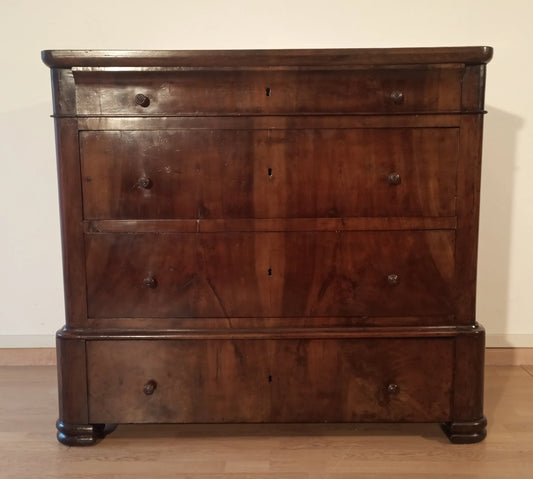
Collection: Antiques
Antique 19th-Century Furniture: European Taste Between Craftsmanship and History
Introduction
Looking for authentic 19th-century antique furniture in good condition and with a verifiable history? This collection brings together a curated selection of pieces produced between 1800 and 1900—chests of drawers, console tables, chairs, wardrobes, desks, and accessories—from private homes, collections, and Italian and European auctions.
Each piece is personally selected by Dario Raia for its construction quality, state of preservation, and stylistic coherence. The 19th century is the century of revival styles—Neoclassicism, Empire, Biedermeier, Neo-Renaissance—and offers an extraordinary variety for those seeking antique furniture with character, suitable for both classic interiors and contemporary contexts. Prices reflect the actual quality of the piece, not the fashion of the moment.
History of the Period
Nineteenth-century antiques arose during a time of radical transformation: the Industrial Revolution changed production methods, but the great artisan workshops resisted and produced some of the most refined furniture in European history. It was the century of revival styles—Neoclassicism, Empire, Biedermeier, Second Rococo, Neo-Renaissance—in which each decade reinterpreted the past with new eyes.
In Italy, the nineteenth century was also the century of Unification: the Savoy courts, the bourgeois palaces of the big cities, and the villas of the new entrepreneurial class created a demand for quality furniture that fueled workshops from Turin to Naples. Purchasing an antique piece of 19th-century furniture means owning a piece that has spanned the entire history of modern Italy.
Antique furniture from the 19th century is distinguished by the quality of its materials and the precision of its execution, which was still predominantly artisanal in the first half of the century. The forms vary greatly depending on the style: the severe, geometric lines of the Empire, the soft curves of the Biedermeier, the elaborate carvings of the Neo-Renaissance. A common element is the attention to decorative details: inlays in precious woods, applied bronzes, mirrors with carved frames, polychrome marbles.
Mahogany dominated the first half of the 19th century, imported from the British and French colonies. Walnut continued its Italian tradition. Cherry and pear wood characterized Biedermeier production. The first industrial veneers appeared in the second half of the century, but quality pieces continued to use solid woods and fine burls.
FAQ
What is the difference between antiques and fine antiques?
By convention, fine antiques include pieces produced before 1800. Nineteenth-century antiques are equally valuable, but are distinguished by the typical styles of the 19th century and the progressive introduction of semi-industrial techniques in the second half of the century.
Is nineteenth-century furniture considered "antique"?
Yes. By customs and market definition, an object is antique when it is more than 100 years old. All 19th-century furniture is considered antique.
How do I distinguish the Empire style from the Biedermeier style?
The Empire style (ca. 1800–1830) is austere, symmetrical, with gilded bronzes and references to classical antiquity. The Biedermeier style (ca. 1815–1848) is more domestic: light woods, curved shapes, understated decorations. Both are highly sought after by collectors.
Does restoration reduce the value of a 19th-century piece of furniture?
No, if done correctly. A conservative restoration that preserves the original materials and patina is considered positive by the antiques market. What devalues is invasive restoration or the replacement of original parts with modern materials.
Where were the most valuable 19th-century furniture produced in Italy?
The main centers were Turin (French influence, Empire style, and Charles X), Milan (high-quality bourgeois production), Venice (inlays and lacquers), and Naples (Bourbon influence with highly representative pieces).
Our guarantee
All the furniture in this collection is selected by Dario Raia, verified for authenticity, and restored while respecting the original materials when necessary.

-
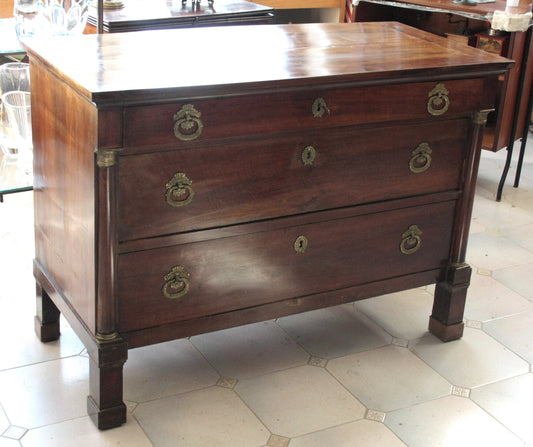
Empire walnut chest of drawers with bronzes — Italy, 19th century
Vendor:Dario Raia Vintage & DesignRegular price €1.199,00 EURRegular priceUnit price €1.199,00 per item€1.399,00 EURSale price €1.199,00 EURSale -
Mahogany tea cabinet with drop-leaf, English manufacture, George II/William IV, first half of the 19th century. Original. Claw-footed legs. Trusted Shops insured purchase.
Vendor:Dario Raia Vintage & DesignRegular price €699,00 EURRegular priceUnit price per€999,00 EURSale price €699,00 EURSale -
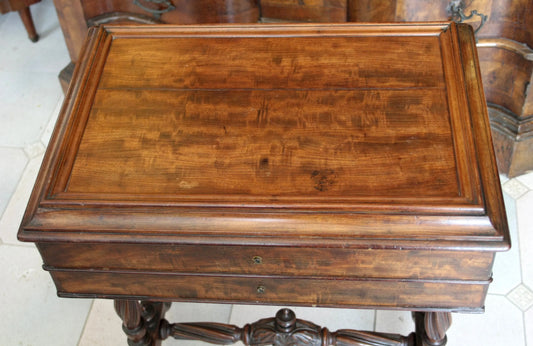
French Mahogany Sewing Cabinet — 19th Century, France
Vendor:Dario Raia Vintage & DesignRegular price €649,00 EURRegular priceUnit price per€699,00 EURSale price €649,00 EURSale -
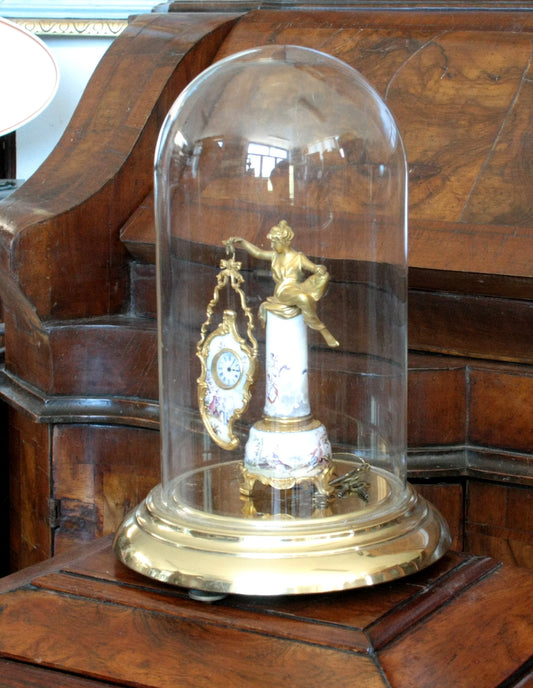
Art Deco bronze and enamel table clock — Austria, 19th century
Vendor:Dario Raia Vintage & DesignRegular price €1.199,00 EURRegular priceUnit price per€1.499,00 EURSale price €1.199,00 EURSale -
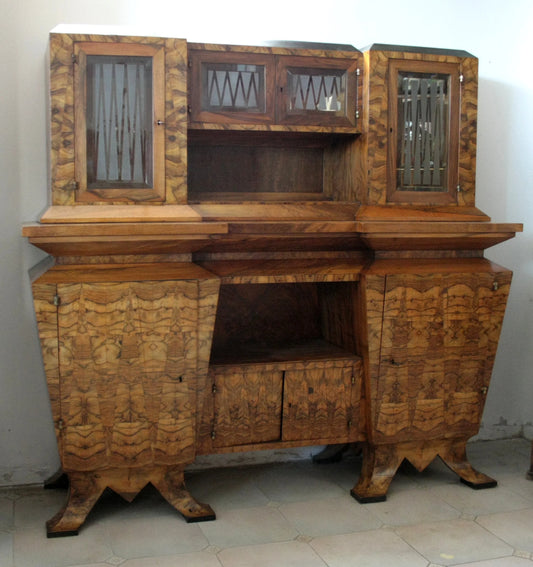
Art Deco table with inlaid top and inscription — Made for Minister Bottai, Rome, 1933
Vendor:Dario Raia Vintage & DesignRegular price €2.499,00 EURRegular priceUnit price per€3.499,00 EURSale price €2.499,00 EURSale -
Set of 6 mid-century modern white faux leather chairs, Italy, 1960s. Wooden frame, perfect condition. Complete set. Trusted Shops insured purchase.
Vendor:Dario Raia Vintage & DesignRegular price €3.499,00 EURRegular priceUnit price per€4.499,00 EURSale price €3.499,00 EURSale -
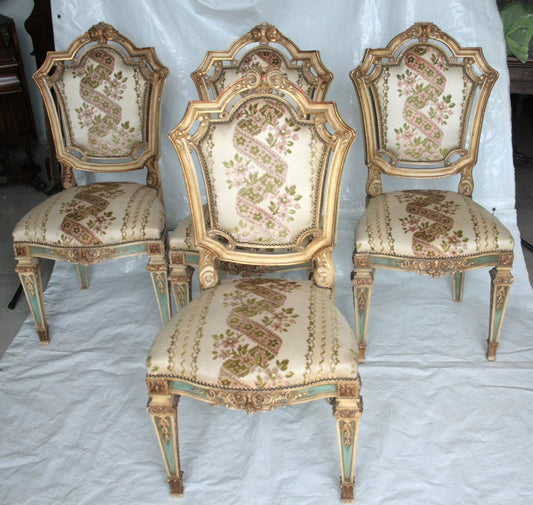
Set of 4 Napoleon III Style Chairs — France, second half of the 19th century
Vendor:Dario Raia Vintage & DesignRegular price €1.250,00 EURRegular priceUnit price per€1.699,00 EURSale price €1.250,00 EURSale -
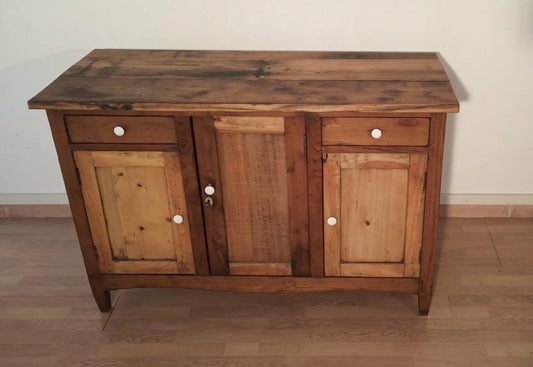
Rustic low pine sideboard from the Italian countryside — Southern Italy, late 19th century
Vendor:Dario Raia Vintage & DesignRegular price €1.450,00 EURRegular priceUnit price per€1.999,00 EURSale price €1.450,00 EURSale -
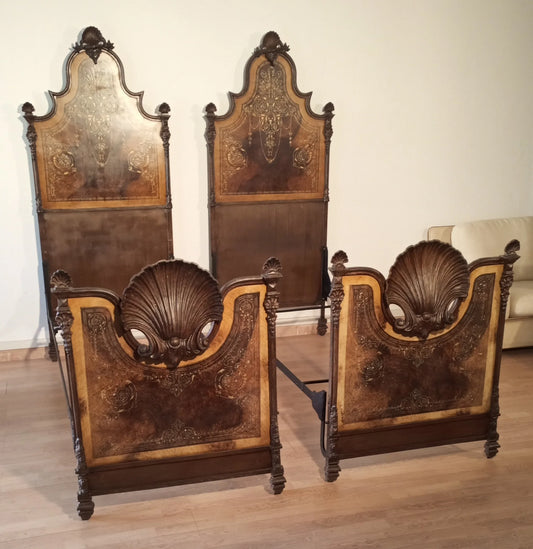
Wrought iron double bed with mother-of-pearl — Italy, 19th century
Vendor:Dario Raia Vintage & DesignRegular price €1.199,91 EURRegular priceUnit price per -

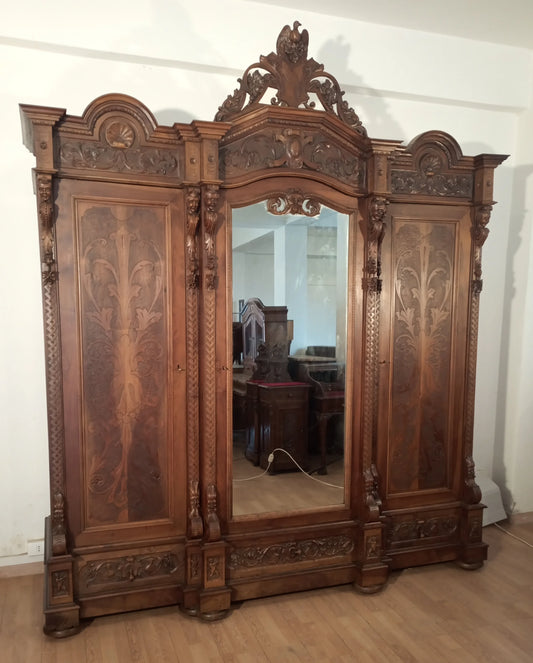
Monumental Renaissance-style cabinet, carved walnut with cherubs — Naples, late 19th century
Vendor:Dario Raia Vintage & DesignRegular price €3.499,00 EURRegular priceUnit price per€6.999,00 EURSale price €3.499,00 EURSold out -
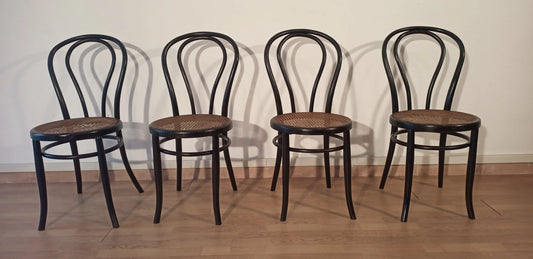
Bentwood dining chairs in the style of Thonet, Italy, set of 4
Vendor:Dario Raia Vintage & DesignRegular price €299,00 EURRegular priceUnit price per€499,00 EURSale price €299,00 EURSold out -
Chest of drawers in poplar and walnut burl with Carrara white marble top — Southern Italy, late 19th century
Vendor:Dario Raia Vintage & DesignRegular price €699,00 EURRegular priceUnit price per€999,00 EURSale price €699,00 EURSold out