Collection: High Antiques
Authentic Antique Furniture from the 16th to the 18th Century
Introduction
Looking for authentic antique furniture from the 16th to the 18th century, with a verifiable history and unparalleled construction quality? This collection brings together a selection of pieces produced between the 16th and 18th centuries—chests of drawers, console tables, chairs, secretaries, trumeaus, and accessories—from historic homes, private collections, and Italian and European auctions.
Each piece is personally selected by Dario Raia for the quality of the wood, its state of preservation, stylistic consistency, and verifiable authenticity. Fine antiques are the most exclusive category on the market: pieces created in artisan workshops where knowledge was passed down from master to apprentice, using materials and techniques that are unique today. Suitable for prestigious interiors, private collections, and long-term investments. Prices reflect the rarity and true quality of the piece.
History of the Period
High-end antiques collect furniture and art objects produced before 1800—from the Renaissance to the Baroque, from Rococo to early Neoclassicism—in an era when each piece was born from the hand of a master craftsman, not from a machine.
We are talking about centuries in which furniture was architecture on a small scale: the Florentine workshops of the 16th century, the Venetian cabinetmakers of the 17th century, the Piedmontese and Lombard masters of the 18th century produced pieces destined to last generations. Purchasing an antique piece of furniture from the 18th or 17th century means bringing an authentic piece of European history into your home—something no reproduction can ever replicate.
Antique furniture from before 1800 is recognizable by harmonious proportions derived from classical architecture, hand-carved decorations, and fine wood veneers arranged in geometric or floral patterns. The patina—that worn surface that time deposits on the wood—is the first indicator of authenticity. It cannot be imitated, it cannot be bought: it is earned over the centuries.
Walnut is the symbolic wood of Italian antiques: a protagonist from the Renaissance to the 18th century, used both in solid wood and veneer. Cherry, pear, and elm characterize regional production. Burl woods—walnut, elm, and thuja—create the decorative patterns most sought after by collectors. Gilded bronzes, cast brass handles, and colored marbles complete the statement pieces: console tables, trumeaus, and decorative chests of drawers.
FAQ
What exactly is meant by high antiques?
Furniture and art objects produced before 1800—from the Renaissance to the 18th century—made entirely by hand in European artisan workshops, using materials and techniques that are unique today.
How do I know if a piece of antique furniture is authentic?
The most reliable signs are hand-forged nails (square cross-section), a natural patina that has penetrated the wood, irregular joints, and hand-planing marks on the back. For valuable pieces, an appraisal by an independent expert is always recommended.
Does restoration devalue an antique piece of furniture?
No, if done conservatively. A professional restoration that preserves the original structure and patina maintains—and often increases—the value of the piece over time.
Can I buy high-quality antiques as an investment?
Authentic pieces of documented quality have historically held their value over time. Intrinsic quality—materials, craftsmanship, state of preservation—is the determining factor, more than brand or fashion.
Is an appraisal necessary before purchasing?
For significant pieces, yes. An appraisal protects the buyer, documents authenticity, and provides a useful reference for insurance and future sales.
Our guarantee
All the furniture in this collection is selected by Dario Raia, verified for authenticity, and restored respecting the original materials when necessary.

-
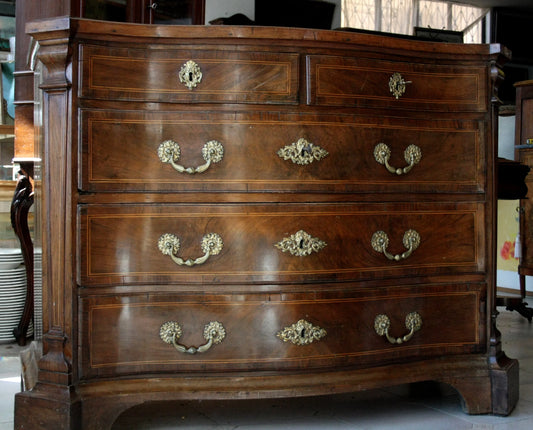
Walnut chest of drawers with curved front and brass handles — Spain, 18th century
Vendor:Dario Raia Vintage & DesignRegular price €2.499,00 EURRegular priceUnit price €2.499,00 per item€2.999,00 EURSale price €2.499,00 EURSold out -
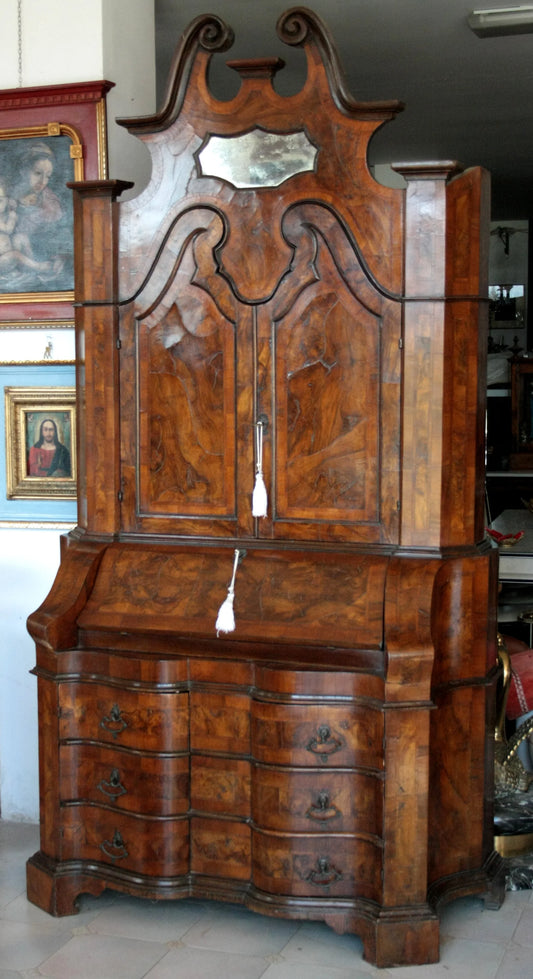
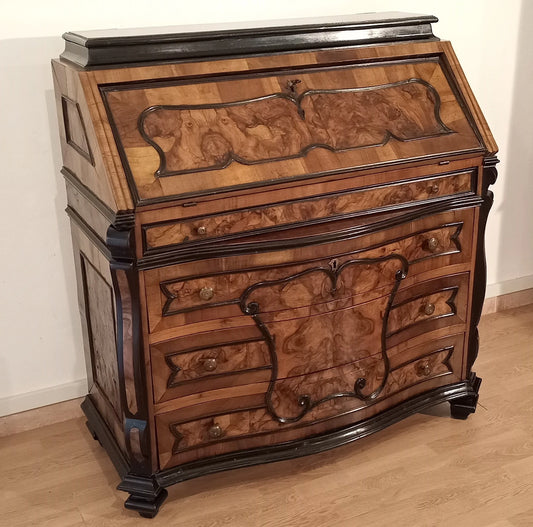
Lombard trumeau in walnut and walnut root with wavy body — Northern Italy, 19th century
Vendor:Dario Raia Vintage & DesignRegular price €5.999,00 EURRegular priceUnit price per€6.999,00 EURSale price €5.999,00 EURSale -
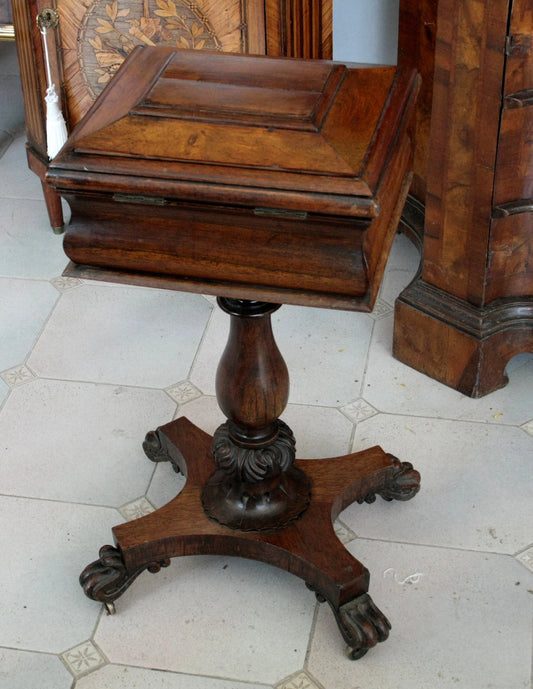
19th-century French mahogany sewing cabinet | Dario Raia Vintage
Vendor:Dario Raia Vintage & DesignRegular price €1.190,00 EURRegular priceUnit price per€1.999,00 EURSale price €1.190,00 EURSale -
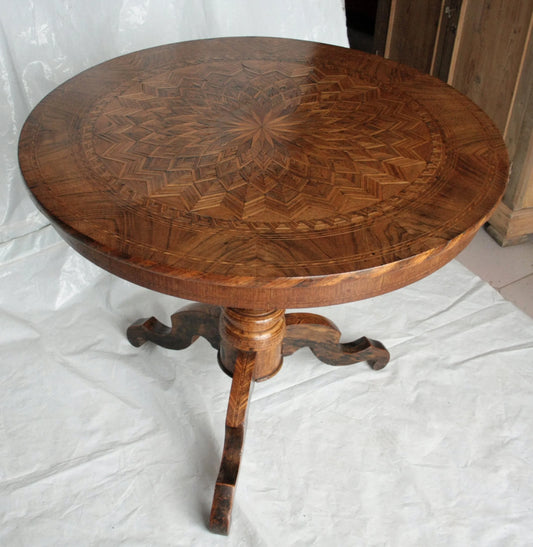
Inlaid marquetry geometric pattern coffee table — Italy, before 1890
Vendor:Dario Raia Vintage & DesignRegular price €1.299,00 EURRegular priceUnit price per€1.499,00 EURSale price €1.299,00 EURSold out -
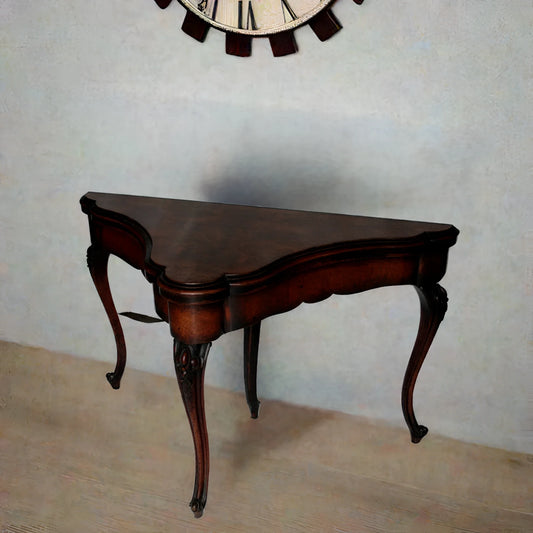
Mahogany Corner Game Table Console — English, Late 18th Century
Vendor:Dario Raia Vintage & DesignRegular price €1.499,00 EURRegular priceUnit price per€1.999,00 EURSale price €1.499,00 EURSale -
Private Consultation — Vintage Furniture & Design
Vendor:Dario Raia Vintage & DesignRegular price €0,00 EURRegular priceUnit price per€0,00 EURSale price €0,00 EUR -
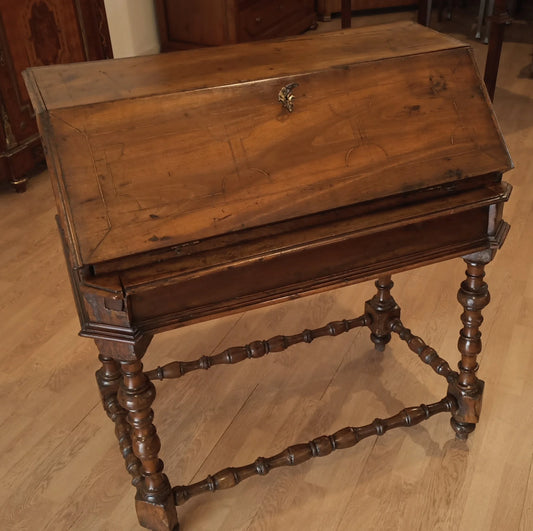
Walnut Bureau Desk — Italy, 18th Century
Vendor:Dario Raia Vintage & DesignRegular price €2.290,00 EURRegular priceUnit price per€3.499,00 EURSale price €2.290,00 EURSale -
Rustic low oak sideboard with vertical panels and drawer — 18th century style, vintage
Vendor:Dario Raia Vintage & DesignRegular price €699,00 EURRegular priceUnit price per€899,00 EURSale price €699,00 EURSold out -
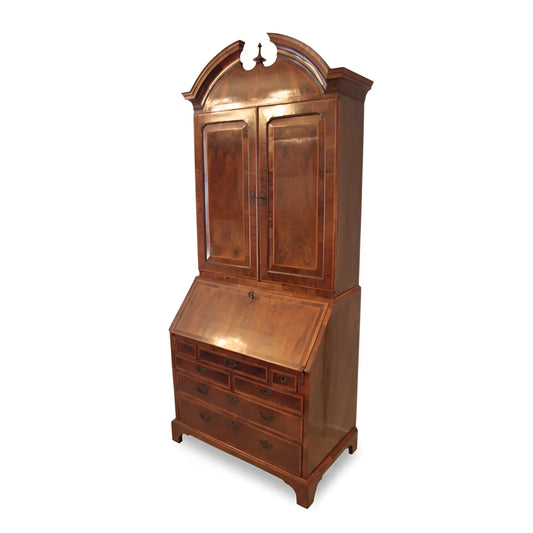
Louis XVI English vintage walnut secretaire desk chest of drawers
Vendor:Dario Raia Vintage & DesignRegular price €4.999,00 EURRegular priceUnit price per€7.999,00 EURSale price €4.999,00 EURSale -
Original 18th-century Lombard commode, excellent condition, restored
Vendor:Dario Raia Vintage & DesignRegular price €1.999,00 EURRegular priceUnit price per€2.999,00 EURSale price €1.999,00 EURSold out